

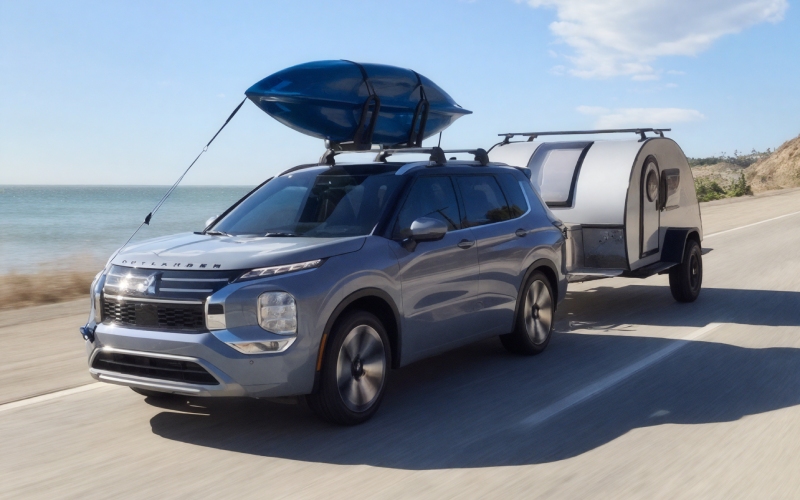
Quakertown Mitsubishi - Which three-row SUV offers the more usable third row for Allentown, PA families — the 2026 Mitsubishi Outlander or the 2026 Kia Sorento?
When families compare the 2026 Mitsubishi Outlander and the 2026 Kia Sorento, one question consistently rises to the top: which three-row SUV makes that rearmost row genuinely useful for everyday life? We took a deep, practical look at third-row access, comfort, visibility, and cargo flexibility to help you decide. This guide focuses on day-to-day functionality—everything from school car lines and soccer drop-offs to weekend errands and highway trips—so you can prioritize what matters most for your crew.
Before we dive in, a quick note on scope: we prioritized features and measurements that affect real-world usability—things like seat-folding logic, second-row movement, small-item storage, charging access, and how easy it is to get kids buckled. Both SUVs seat up to seven with a split-fold third row. From there, their approaches begin to diverge in ways you can feel during a short test drive.
What actually makes a third row “usable” day to day?
In practical terms, families tell us third-row usability is about more than just fitting two extra passengers. It hinges on quick access from the second row, reasonable leg and head room for shorter trips, clear outward visibility to reduce motion discomfort, and cargo flexibility when the row is folded. Small details—like rear venting, cupholders, USB ports, and the overall quietness of the cabin—can make a surprisingly big difference for kids and teens.
- Access and egress: How easily the second row tilts and slides, and whether kids can manage it independently.
- Seating geometry: Knee angle, footwell depth, and headroom that make short hops comfortable and longer rides tolerable.
- Everyday storage: Cupholders, cubbies, and a flat load floor when folded to keep gear organized without a juggling act.
- Cabin calm: Venting, sound insulation, and audio clarity that keep the back row from feeling isolated.
2026 Mitsubishi Outlander: Thoughtful, flexible, and calm in the back
The Outlander’s third-row design is optimized for family rhythm. The second row uses a 40:20:40 split that folds or slides to prioritize either access or cargo, and the seatback tilt range helps dial in a comfortable posture. For shorter trips, the third row’s headroom and seating position are tuned to keep kids content, and there’s good outward visibility so the back row doesn’t feel boxed in. When you need cargo space, the fold-flat third row and a broad, square opening create a level surface—handy for bulk-store runs or sports gear.
Technology also plays a role in back-row comfort. With standard Wireless Apple CarPlay and Wireless Android Auto, it’s easy to queue up playlists or podcasts that everyone enjoys, and the available Dynamic Sound Yamaha® Premium or Ultimate systems carry crisp audio evenly to the rear. On the Ultimate system, Speed Compensated Volume helps maintain clarity as road noise rises, while Rain Compensated Volume keeps soundtracks clear during downpours. These refinements matter when the third row is occupied—calm cabin, calmer kids.
Kia Sorento: Features aplenty, but evaluate the fit
The Sorento offers available second-row captain’s chairs for easier pass-through access and plenty of family-friendly technology, including an available Dual Panoramic Display and a premium audio option. Access to the third row is straightforward, and the bench is fine for occasional use or shorter trips. Where families should focus is on how the third row feels with the second row set for taller passengers, and how much cargo remains with all seats raised. For many, the Sorento’s solution works—but the consistency of Outlander’s reconfigurable second-row and fold logic makes it easier to juggle strollers, coolers, and backpacks without frustration.
Cargo flexibility with all three rows in play
Both models fold their third rows flat, but the Outlander’s square load bay and available kick-motion power liftgate simplify life when your hands are full. Drop the third row, and you unlock an impressively usable space that swallows sports bags and grocery hauls with ease. The Sorento’s Smart Power Liftgate with Auto Close is convenient as well—just note that the Outlander’s foot-activated kick sensor can feel more intuitive when approaching with armloads.
Ride calm and road manners matter to back-row comfort
Back-row riders feel chassis tuning more than anyone up front. The Outlander’s MacPherson strut/multi-link suspension and quiet, well-controlled ride help the third row feel settled over patchy pavement. On models with available Super-All Wheel Control (S-AWC), selectable drive modes add stability in rain, slush, or on gravel approaches to fields and parks. Sorento’s available AWD with Terrain Mode offers solid confidence too—test both setups on your regular routes to see which feels more composed from the back.
Quick test-drive checklist for families
- Simulate school pickup: Practice tilting and sliding the second row, then time how long it takes to load two back-row passengers.
- Try real cargo: With the third row up, load a stroller or cooler to see which SUV handles “seat-up” cargo better.
- Listen from the back: Play the same playlist in each SUV and sit in the third row to compare audio clarity and cabin calm.
- Drive your route: Include rough pavement, a tight parking lot, and a highway merge to gauge stability and noise.
Recommendation: Which third row works better for everyday family life?
For families who regularly use all three rows, the 2026 Mitsubishi Outlander earns the nod. Its flexible 40:20:40 second row, clear outward visibility, calm ride, and family-first audio and connectivity help the back row feel like a comfortable part of the cabin—not an afterthought. The available kick-motion liftgate and fold-flat cargo floor further reduce daily friction. The Sorento remains a strong option with available captain’s chairs and a deep technology bench, but if your priority is a third row that integrates seamlessly into your weekly rhythm, Outlander’s packaging has the edge.
Frequently Asked Questions:
Can adults use the Outlander’s third row comfortably?
It’s best for kids and shorter trips for adults. The Outlander’s third row offers good visibility and reasonable posture for quick drives, while the flexible second row helps accommodate longer legs when needed.
Does the Outlander offer a hands-free liftgate?
Yes. The Outlander offers an available kick-motion power liftgate that opens when your hands are full, and you can set the opening height for low garages.
How does audio quality reach the third row?
The available Dynamic Sound Yamaha® Premium and Ultimate systems distribute sound evenly throughout the cabin. On the Ultimate system, speed and rain-compensated volume features help keep music clear for back-row listeners.
Which AWD system is better for family trips?
Outlander’s available S-AWC adds nuanced control with surface-specific drive modes, which can boost stability on wet, slushy, or gravel routes. Sorento’s available AWD with Terrain Mode is also capable—drive both on your routine to see which feels more settled from the third row.
If you’re narrowing your shortlist to family-ready, three-row SUVs, start by sitting in the back and working forward. You’ll quickly feel why the Outlander’s packaging connects so well with real-world family life. Quakertown Mitsubishi, serving Allentown, Philadelphia, and Bethlehem, can help you compare trims, try third-row access with car seats, and test the features that matter most.
Ready to see how these details come together? Bring the kids, load a stroller, and try your playlist—we’ll help you evaluate the third row like a pro.
Request more 2026 Mitsubishi Outlander information
Categories:
Mitsubishi Outlander